Managing Money | Money Basics
How to raise money-smart kids
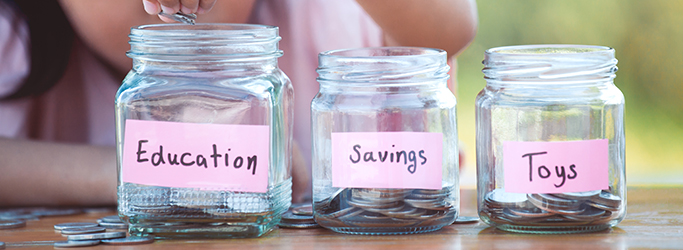
Think money talk can wait until your kids are older? Research says their financial habits are already forming at age seven. You're not early. In fact, you might already be late.
One of the most essential life lessons you can teach your kids is about saving money. It’s not something that is taught in school, so it’s up to you to help your children learn about the value of money.
Why is it important to teach kids about money?
Teaching kids about money is key in preparing them to manage their finances effectively. According to financial advisers, it's possible to help children learn about the concept of saving money as early as six or seven years old. This is the time when kids start going to school and learn that money can help them buy small items from a convenience store.
Since financial habits are often formed by age seven, early education helps children develop confidence and competence in handling money. By understanding concepts like earning, saving, and budgeting, kids can make better financial choices as they grow. Discussing money openly helps normalize financial conversations and teaches them to prioritize spending between needs and wants. Instilling good money habits early on can prevent future debt issues and promote economic independence, ultimately setting children up for a secure financial future.
The best time to start this habit is during the holiday season when the children start receiving their Christmas Aguinaldo – gifts in the form of cash – from grandparents, aunts, uncles, ninongs, and ninangs.
Over time, these gifts can become substantial when you include other events throughout the year. Your children will most likely get money gifts or angpao during Chinese New Year, birthdays, grading periods, and their graduation or moving up.
It’s also never too early to prepare for their future by opening a savings account for your children to start teaching them the value of money.
Here are more ways to get started on your lessons of saving for your children.
Tips on teaching kids how to save money
Teaching kids to save doesn't have to be complicated. The key is to start small, make it visual, and tie it to things they already care about. Here are a few simple ways to get started.
-
Start with a piggy bank
Once the children start collecting their money, provide them with their piggy bank, where they can put in their cash gifts, coins, and small paper bills. You can either wait to open it until it gets full or agree on a date to break it open. Then, you can schedule a visit to the bank and explore the different types of savings accounts available for your child, and help them open their first account.
Teachable moment: Money can grow if you save some regularly. Before going to Metrobank, break open the piggy bank, count the money, and start teaching them the basics of interest and the importance of the time value of money. -
Use a savings jar
A transparent savings jar is popular among kids if they’re doing a project or have specific goals set. Your kids might ask you to buy dolls, cars, or action figures. This is a perfect time to begin teaching them the difference between wants and needs and the value of earning and saving money for something they want.
If your children get a regular allowance, teach them to put some of their money in the savings jar. Label the jar with the name of their goal. Once you’ve reached your target amount, you can reward your child with a visit to the toy store to make the purchase.
Teachable moment: Teaching them how to set goals helps them learn the value of patience and persistence and the reward of buying something they’ve worked for. As your children get older, you can set bigger financial goals. -
Make a savings timeline
It’s good to keep track of what your kids are saving through a savings time chart, allowing them to track their money. Introduce the concept of budgeting when you will enable them to spend some of their money saved. Use the time chart to mark dates and targets. That budgeted money is free for them to spend as they choose, for as long as it’s not paid earlier than agreed upon.
Teachable moment: Budgeting teaches them the idea of spending money for a want or a need while still having extra to save for the future.
Savings lessons as the kids grow older
Savings jars and piggy banks are not the only ways to teach your children about money. As they grow older, you can introduce other lessons along the way.
Start them young!
It takes little steps to teach the concept of saving early, budgeting, and learning how to spend money wisely. It’s never too soon to start a children’s savings account.
Jumpstart your kids’ savings accounts with Metrobank’s Fun Savers Club, a savings account you can open with an initial deposit of PHP 100. The account has a maintaining balance of PHP 500, a Minimum to Earn Interest of PHP 4,000 and an interest rate of 0.0625 percent per annum.
How to get started?
Build your child's habit of saving with the Metrobank Fun Savers Club.

Frequently asked questions
At what age should I start teaching my child about money?
What's a good first step for teaching kids to save?
What is Metrobank's Fun Savers Club?
When should my child upgrade from a Fun Savers Club account?
Can my child have a debit card?
More Smart Reads