Young Adult | Use Credit Wisely
When credit card bills feel heavy: How to reset your spending and stay in control
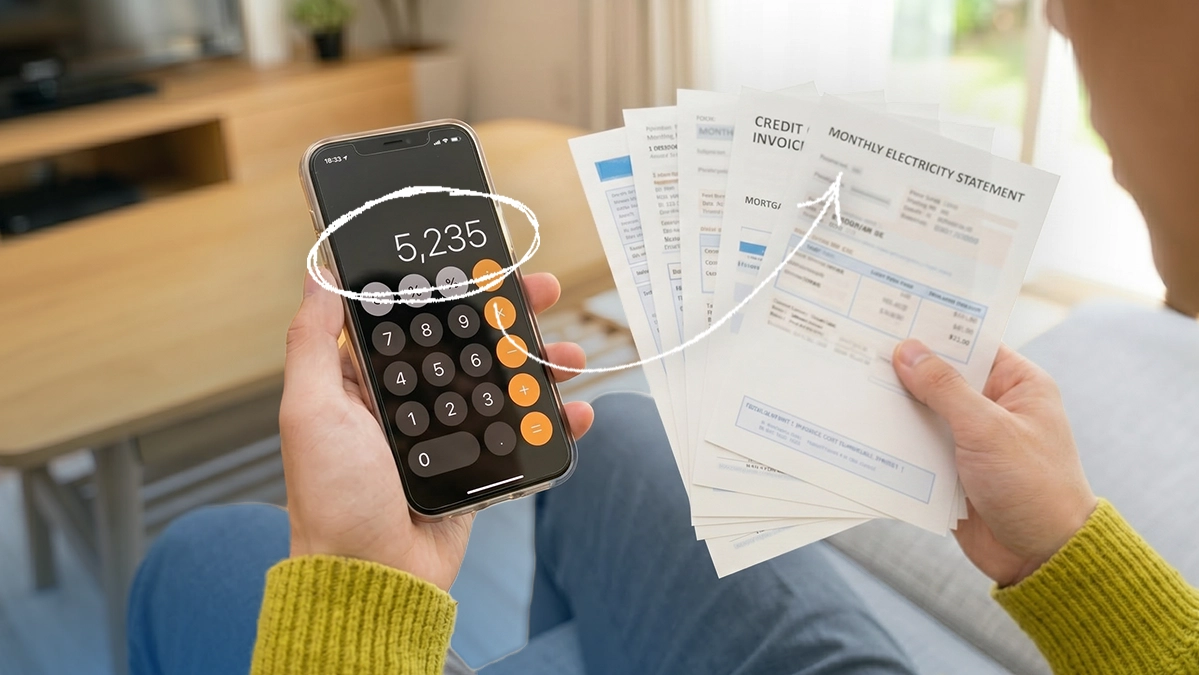
There are months when bills and due dates seem to arrive at the same time.
Rent is due. Meralco or water bill is waiting. Groceries need to be bought. Gasoline expenses have to be covered. Someone in the family may need help. Then your credit card bill arrives, and paying even the minimum amount due feels overwhelming.
If this is where you are, pause first.
A credit card bill that feels heavy does not automatically mean you failed. Many Filipino cardholders go through months where expenses and income simply do not line up neatly. Now is not the time to blame yourself. What matters is knowing your next step.
Start with a 15-minute bill check
When a bill feels overwhelming, the first instinct is often to avoid looking at it. But the number usually feels scarier when it is unclear.
Set aside 15 minutes and check 3 things on your credit card statement:
- Your total statement balance
- Your minimum amount due
- Your due date
Then list the other payments you need to cover before your next sweldo: rent, utilities, groceries, transport, school needs, family support, loans, or other bills.
After that, compare your available money with what needs to be paid. With actual numbers, you can see the full picture, and it becomes easier to decide what to protect first.
Sort your expenses into 3 groups
When money is tight, not every expense has the same urgency. A simple way to think about it is to sort your expenses into three groups.
- Essentials
These are the things that protect your household’s basic stability: rent, electricity, water, groceries, transport to work, school needs, and important medicines. - Required payments
These include your credit card minimum payment, loan payments, and other bills with due dates, penalties, or possible impact on your credit record. - Flexible spending
These are expenses you can reduce for now: food delivery, online shopping, subscriptions, entertainment, upgrades, and impulse buys.
For a tight month, the goal is to protect the essentials, pay at least the required minimum when possible, and reduce flexible spending temporarily.
Treat this as a reset month.
Why the minimum payment matters
Paying the minimum amount due is not ideal, but it matters.
Doing this on or before the due date helps keep your account current and may help you avoid late fees. But it is also important to understand that the minimum usually does not reduce your balance quickly.
So if you can pay more than the minimum, even a few hundred pesos more, do it. That extra amount helps bring down what you owe and can reduce the balance that continues to carry interest.
Think of the minimum amount due as the floor, not the target.
In a difficult month, paying the minimum may be the best you can do. In a better month, paying more than the minimum helps you recover faster.
Do not ignore the bill
It is understandable to avoid opening your credit card bill when you seem short on funds. But ignoring it usually makes next month harder.
A missed payment may lead to late fees and additional interest, and may possibly impact your credit history. It can also reduce the options available to you later, especially if the balance continues to grow.
Open the statement. Know the amount. Mark the due date. Pay what you can on time. Then plan the next step.
This small act already gives you more control than if you had avoided the bill completely.
Do a 30-day spending reset
A spending reset does not mean cutting out every small comfort in your life. It means creating a temporary breathing room so you can cover your essentials and credit payments.
For the next 30 days, try this:
- Pause non-essential online purchases. Add to cart if needed, but do not check out yet.
- Cut one subscription or recurring payment you can live without this month.
- Replace a few delivery or dine-out meals with meals made at home.
- Avoid using the card for new wants while you are trying to pay down old spending.
- Set a grocery list before shopping and stick to it.
- Check your bank balance and card balance twice a week.
- Put whatever you save directly toward your credit card payment.
Your objective is to stop the balance from growing while you create a little room to catch up.
Even PHP 300, PHP 500, or PHP 1,000 freed up from flexible expenses is still progress.
What to pay first during a tight month
When you cannot pay everything in full, prioritize your expenses.
Start with essentials: housing, utilities, food, transportation, school needs, and medicine. These keep your daily life stable.
Next, protect your credit card minimum payment and other required payments. Paying at least the minimum by the due date helps prevent the situation from becoming more difficult to handle next month.
Then, reduce or delay non-essential spending. This is where you usually have the most room to adjust.
Of course, other expenses still matter. But during a difficult month, you need to first protect the payments with the biggest immediate consequences if left unpaid.
Know when to call the bank
Calling the bank is often a last resort because it can feel uncomfortable. Remember that it is better to ask early than to wait until the problem becomes bigger.
Consider reaching out if:
- You have been paying only the minimum for several months.
- Your balance keeps growing even after you make payments.
- You cannot pay the minimum without skipping an essential bill.
- You already missed a due date.
- You are using the card every month for groceries, utilities, or other essentials because you are short on cash.
- Your credit card payment is starting to compete with basic household needs.
The purpose of calling the bank is to understand what options may be available. That’s why it’s better to do it as soon as possible.
If your balance is becoming difficult to manage month after month, ask your bank whether options like balance conversion are available for your account. Metrobank Balance Conversion helps turn a revolving balance into fixed monthly payments, subject to eligibility, terms, and approval. It is important to confirm product details, rates, fees, and availability before you decide.
Rebuild control one month at a time
Once you get through the immediate month, focus on rebuilding slowly.
Start by paying a little above the minimum whenever you can. It does not have to be a big amount right away. What matters is making the balance go down.
Check your card balance weekly, and not only when the statement arrives. This keeps the number visible and enables you to track progress.
If possible, begin setting aside a small emergency fund, even PHP 2,000 to PHP 5,000. It will not solve everything, but it can help prevent the next sudden expense from going straight to your card.
Also look at what triggered the difficult month. Was it a one-time emergency? A payday gap? Too many small online purchases? Family support? School fees? Knowing the cause helps you prepare better next time.
Recovery may not be instant, but you are already moving forward if you are able to control each month more than the last.
Prevent the same pattern in the next cycle
Once things feel more stable, build simple guardrails.
Set a phone reminder to pay a few days before your due date. If your sweldo arrives before the due date, consider paying right away instead of waiting.
Give yourself a personal card limit that is lower than your actual credit limit. For example, if your card limit is PHP 30,000, you might treat PHP 20,000 as your real ceiling. That way, you still have room for emergencies without always pushing close to the limit.
Avoid charging expenses that you cannot realistically repay within the next one or two billing cycles. And if you are in reset mode, keep the card out of your wallet for a while so it is not your automatic option for every purchase.
When you notice the pattern early and act before it becomes unmanageable, then you can navigate the situation better.
Final reminder
When your credit card bill feels overwhelming, know that you do not need to set all your finances straight in one day.
Start with the bill and take note of the due date. Protect the essentials, while paying at least the minimum amount, if you can. Cut flexible spending for 30 days. Ask the bank early if the balance is becoming too hard to manage.
Your reset month can be the start of getting back in control.
FAQs
What should I pay first if I cannot pay everything?
Start with your essential living expenses — rent, utilities, and groceries — to protect your household's basic stability. After that, pay at least the minimum due on your credit card before the due date to avoid a late fee and a missed payment record. If you still have income remaining, apply it to your other financial obligations depending on the penalties or consequences if left unpaid.
Is it okay to pay only the minimum?
Paying the minimum on time is always better than missing a payment. It keeps your account in good standing and protects your credit record. However, paying only the minimum means your outstanding balance does not decrease significantly, and interest continues to accrue on the balance that remains. Whenever possible, pay above the minimum — even a small additional amount reduces your balance and the interest that builds against it.
What happens if I miss a credit card due date?
A late payment typically results in a late fee being added to your balance, and the missed payment may be recorded in your credit history through the Credit Information Corporation (CIC). Repeated missed payments can make it harder to access credit in the future. If you know you are going to miss a payment, contact your bank as early as possible — some issuers can make accommodations if you reach out before the due date, rather than after.
Should I stop using my credit card while resetting my spending?
For most people in a spending reset, it helps to pause new discretionary card expenses — online shopping, dining out, non-essential purchases — for the reset period. This is not the same as cancelling the card. Keep the card open to protect your credit history and available credit. The objective is to stop adding new charges while you are working to reduce the existing balance.
When should I call the bank?
If you have been paying only the minimum amount due for several consecutive months, your balance is still growing, or you can see that you will not be able to cover the minimum payment this cycle, it is worth contacting your bank early — before missing a payment. Banks generally have more options available for customers who reach out proactively than for those who have already missed one or more payments.
Can balance conversion help with credit card payments?
Balance conversion is one option that converts a revolving card balance into a fixed monthly installment, making it more predictable to budget around. Whether it is available and what the terms are depends on your account, your payment history, and your bank’s current products and policies. Ask your bank directly if it is available for your account and whether the conditions work for your situation.
More Smart Reads