Managing Money | Money Basics
Spend on these essential items to help you prepare during emergencies
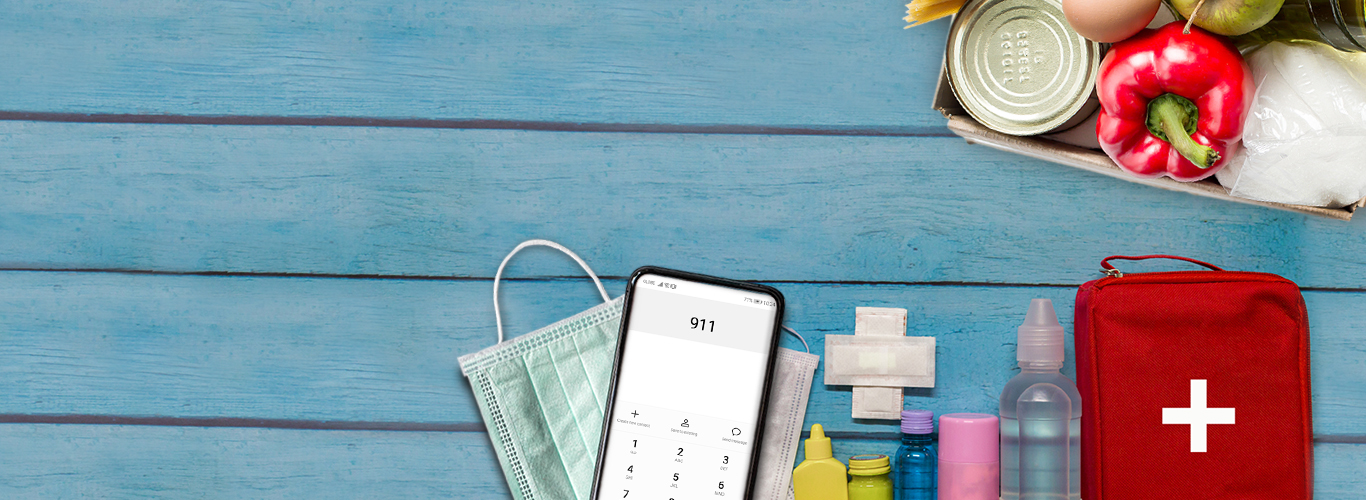
During emergencies, spending on these essential items will help you power through an emergency.
- Keep food for up to 15 days, and place drinking water in safe containers.
- Have ample supply of medicines for common ailments, as well as personal care items.
- Keep those plastic containers and recyclable bags handy for your emergency supplies.
- Include personal electronic devices, especially mobile phones, in your emergency kits.
The COVID-19 pandemic has taught the world many lessons on how to endure a prolonged lockdown. Supplies remained available but the main concern was access to them.
Here are some must-have items that you should spend on to prepare. Be sure to write down a list of other items that you deem essential and prepare a space in your home where you can put them during emergencies.
Keeping food for emergencies. Be sure to have enough space and place to store food. Depending on your needs, you must have at least a 15-day supply. Consider the following food items to keep:
- Canned goods, such as fish, meat, fruits and vegetables
- Rice, pasta, and noodles
- Frozen food like fish, fresh or processed meats
- Cereal and oatmeal
- Dried nuts, seeds, and beans, such as monggo and kidney beans
- Sealed snacks
Storing drinking water. Drinking water is your priority. One person needs at least 3 liters of clean water a day. You can either keep them in large plastic bottles or in gallons for safety. While tap water--at least in Metro Manila--is reported to be safe to drink, you might want to consider installing your own water filtration system at home.
Buy medicines for common ailments and invest in first-aid kits. Keep a good stock of over-the-counter medication for common ailments, such as headaches, colds, cough, stomach aches, diarrhea, and pain relief. If you or anyone in your household has medical conditions that require special equipment, be sure to have them on hand.
According to the Centers for Disease Control, you should have a first-aid kit ready and it should include alcohol, antiseptic, eyedrops, bandages and gauze, antibiotic ointment, adhesive tape, scissors, multitool or a handy army knife.
Stock up on personal healthcare products. You should buy soap, toothpaste, toothbrush, tissues, and sanitary napkins to last you for a month. Cloth masks (you can also invest in disposable medical masks or the N95 masks) and rubber or cloth gloves must also be included.
For storing essential goods, use plastic containers and recyclable bags. Plastic containers are useful for storing essential food, medical, and personal care items. They can also help you organize them according to your needs. You can also use resealable plastic bags to keep your most important items from getting wet.
Keep those electronic devices ready. A few electronic tools have become essential must-haves in emergency kits. These include rechargeable flashlights and radios. Mobile phones can also become integrated into your emergency as they have integrated flashlight and even radios. Just be sure to have external battery packs available for power outages.
Manage your time better especially during emergencies. Bank using your mobile phone. Learn how Metrobank Online or the Metrobank Mobile App can help you in your banking needs. Visit https://metrobank.com.ph/manage for more details.
This article is part of a collection of stories and practical financial tips that are published with the goal to help people learn from the experiences of others, and to pick out lessons on personal finance and sound money habits beyond the pandemic.
More Smart Reads